
RIOS Symposium 2026 Making the Links: Bridging Research Integrity & Open Science
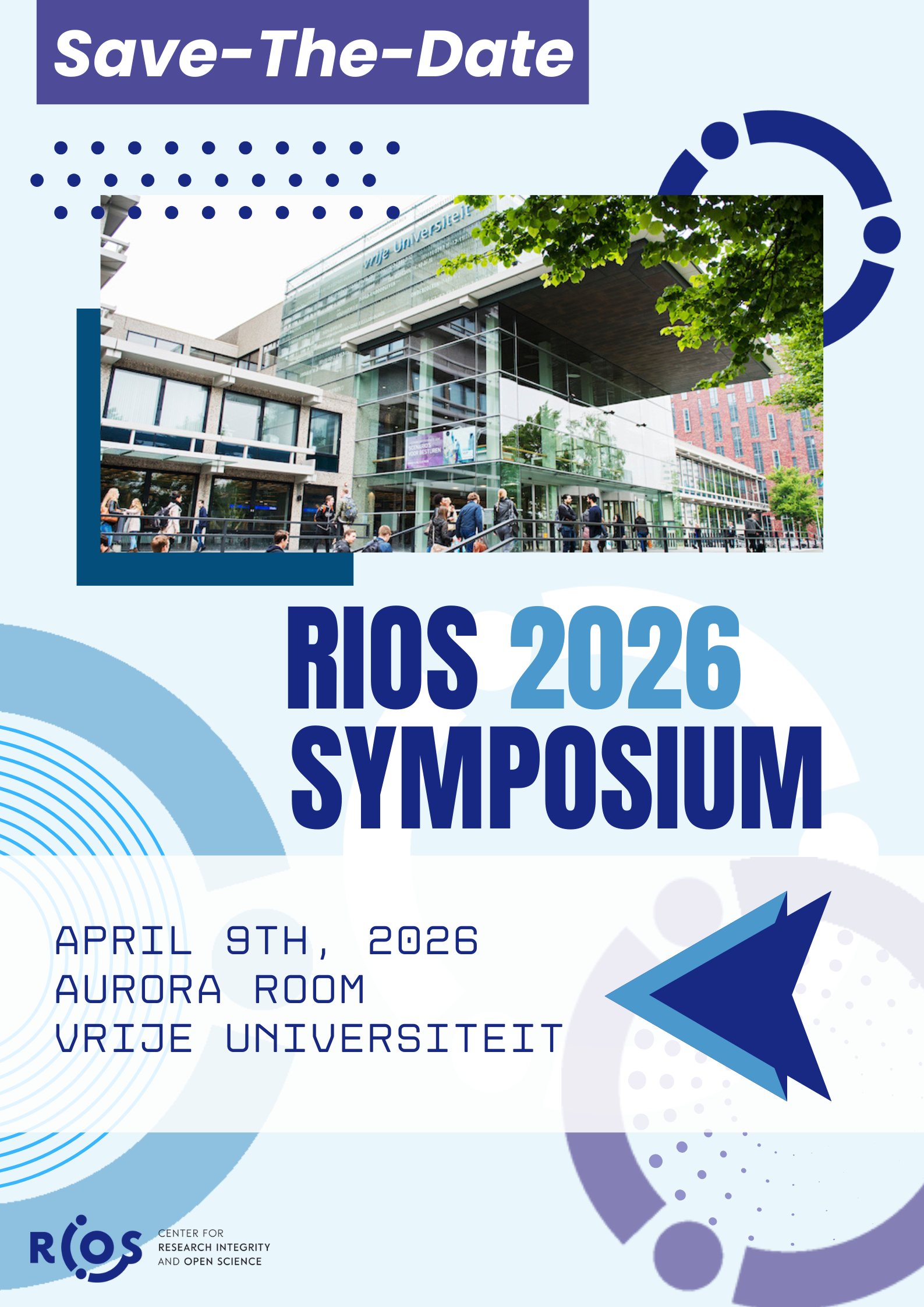
📅 9 April 2026
🕒 13:00-15:30
📍 Aurora Room, Vrije Universiteit Amsterdam
We are pleased to announce the upcoming RIOS 2026 Symposium: Making the Links: Bridging Research Integrity & Open Science!
This annual event brings together researchers, research support professionals, and policy experts to engage in dialogue on Research Integrity and Open Science.
The symposium is open to members of the Vrije Universiteit Amsterdam and Amsterdam UMC communities, as well as external researchers and professionals interested in Research Integrity and Open Science.
More details on the program can be found below.
We look forward to welcoming you!
Program
| 13:00 – 13:15 | Welcome and Overview of RIOS activities
prof. dr. Jeroen de Ridder (co-chair RIOS) & prof. dr. Mariëtte van den Hoven (co-chair RIOS)
|
| 13:15 – 14:00 | Bridging Research Integrity & Open Science – initiatives from the VU & Amsterdam UMC:
– dr. Bogdana Huma & dr. Elliot Hoey (VU Amsterdam) – Developing bottom-up methodologically congruent transparency standards: Lessons from Conversation Analysis
– Marián Crespo López (VU Amsterdam; Amsterdam UMC) – Integrating diversity into researcher evaluation: Results from the IDEA project
– prof. dr. Christine Teelken (VU Amsterdam) – Wellbeing of postdoctoral researchers at Dutch Research Universities: working conditions and future perspectives
– Claudia Pallise Perello (Amsterdam UMC) – Fairness, justice and equity in RI and RCR codes around the world: findings from a Scoping Review using Critical Discourse Analysis
Q&A
Chair: prof. dr. Hans Berends (VU Amsterdam) |
| 14:00 – 14:45 | Keynote session by dr. Joeri Tijdink (VU & Amsterdam UMC) – Change research practices from the inside out: why tools and policy aren’t enough. Research culture is the engine of reproducibility — the CATALYST project
Chair: Sander Bosch (VU Amsterdam)
|
| 14:45 – 15:15 | 2nd RIOS Collaborative Program – Announcement of winners – prof. dr. Jeroen de Ridder & prof. dr. Mariëtte van den Hoven
Q&A
|
| 15:15 – 15:30 | Conclusion & Stay connected with RIOS
dr. Rita F. Alves dos Santos (RIOS Project Lead)
|
Featured Talks
Welcome and Overview of RIOS activities
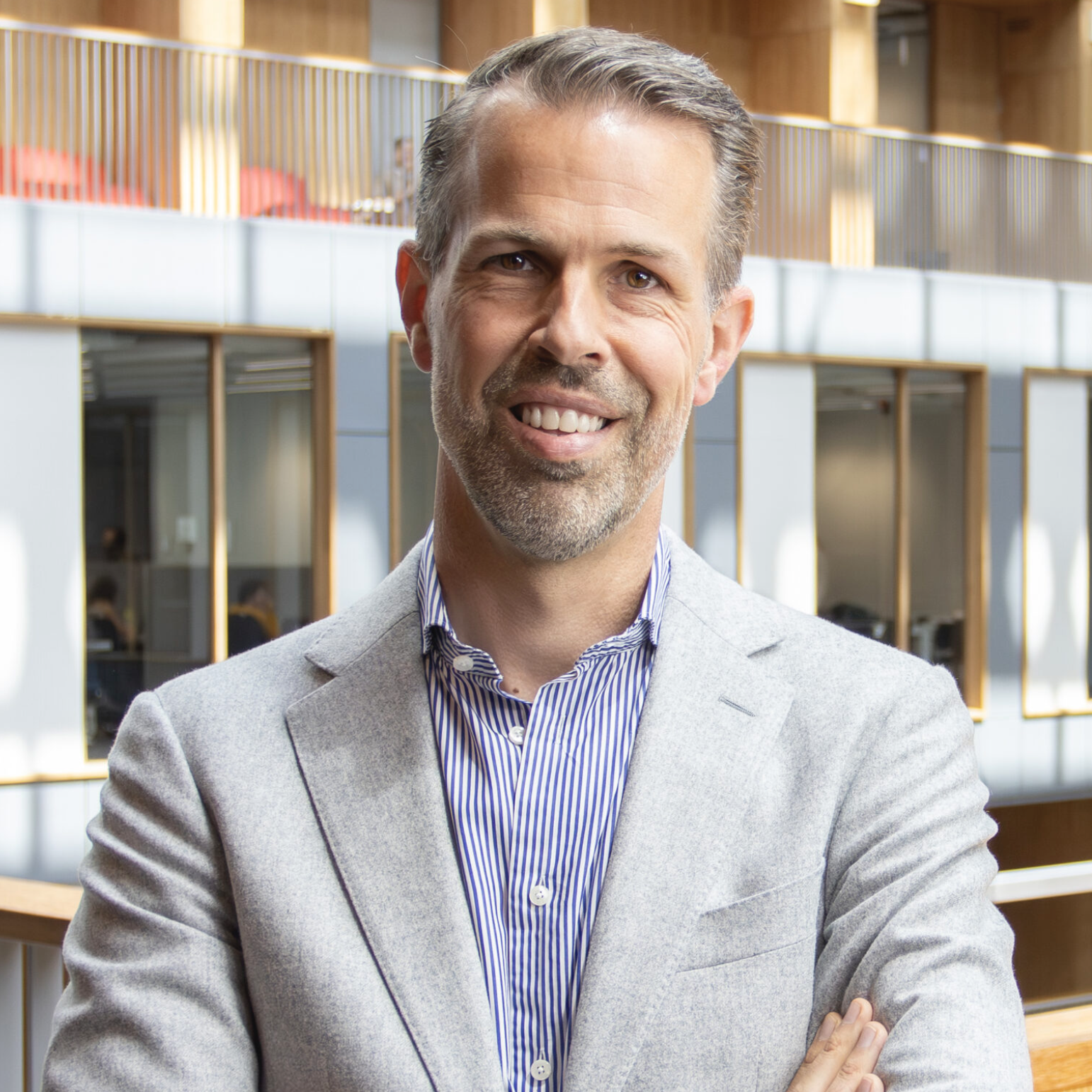
prof. dr. Jeroen de Ridder
Vrije Universiteit Amsterdam
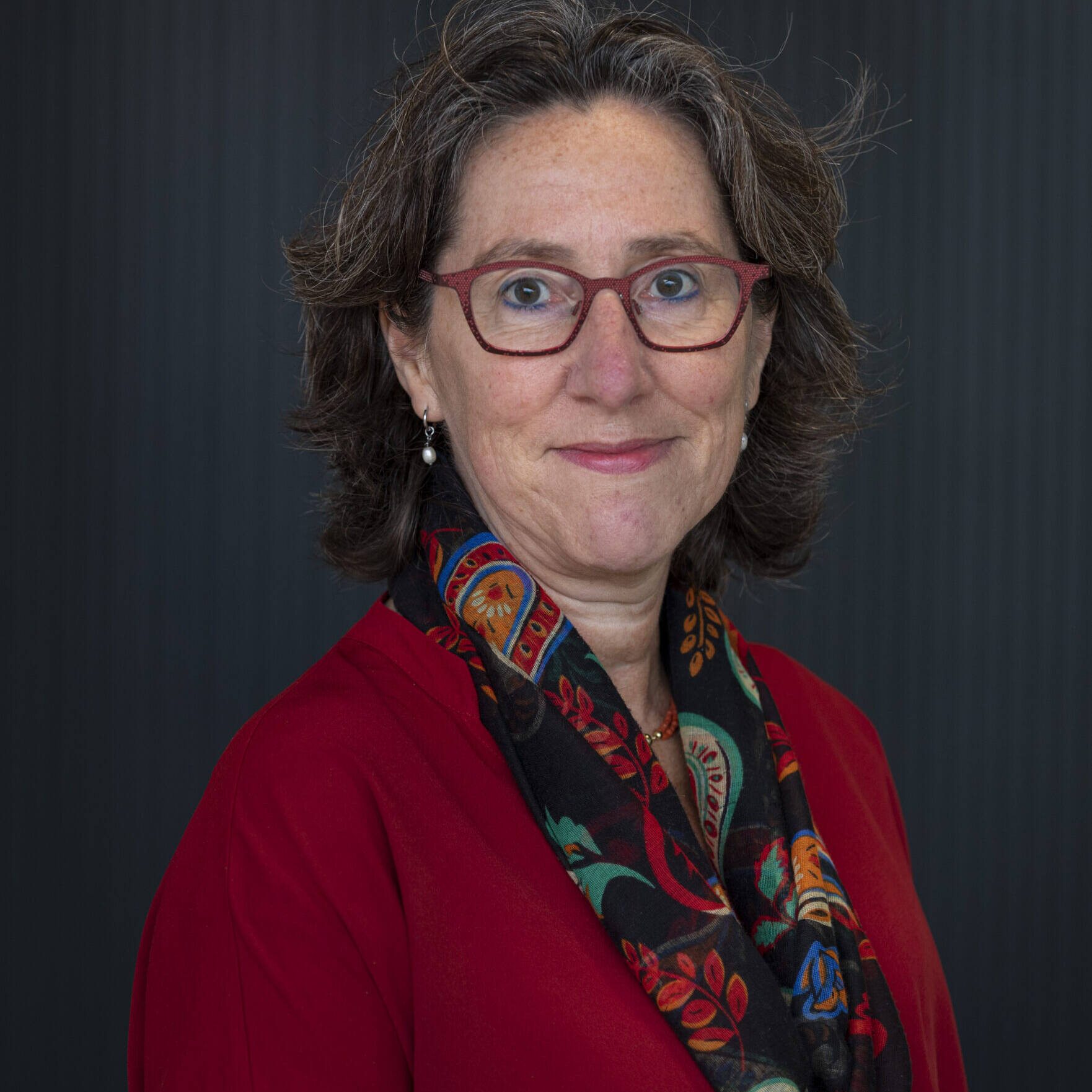
prof. dr. Mariëtte van den Hoven
Amsterdam UMC
About the speaker:
Jeroen de Ridder is a University Chair and Professor of Political Epistemology at the Department of Philosophy of the VU. His research focuses on issues in social epistemology, philosophy of science, and philosophy of religion. Currently, most of it is in collective epistemology and political epistemology: can groups have beliefs and knowledge, are there collective intellectual virtues, what determines the epistemic performance of groups, how do people form, maintain, and reason about their political beliefs? He also apply these issues in thinking about the epistemic qualities of liberal democracy.
About the speaker:
Mariëtte van den Hoven is a Professor in Medical Philosophy and Ethics at Amsterdam UMC, and Department Head of Ethics, Law and Humanities. She is also the Chair of the Netherlands Research Integrity Network (NRIN), and the co-founder of the Network on Education and Research Quality (NERQ). Her main research interest is focused on contributing towards responsible conduct of research within academia. She is interested in how researchers conduct research, communicate about it, and share not only good practices, but also brilliant failures. For Mariëtte, this is a life long academic learning process.
Bridging Research Integrity & Open Science - initiatives from the VU & Amsterdam UMC
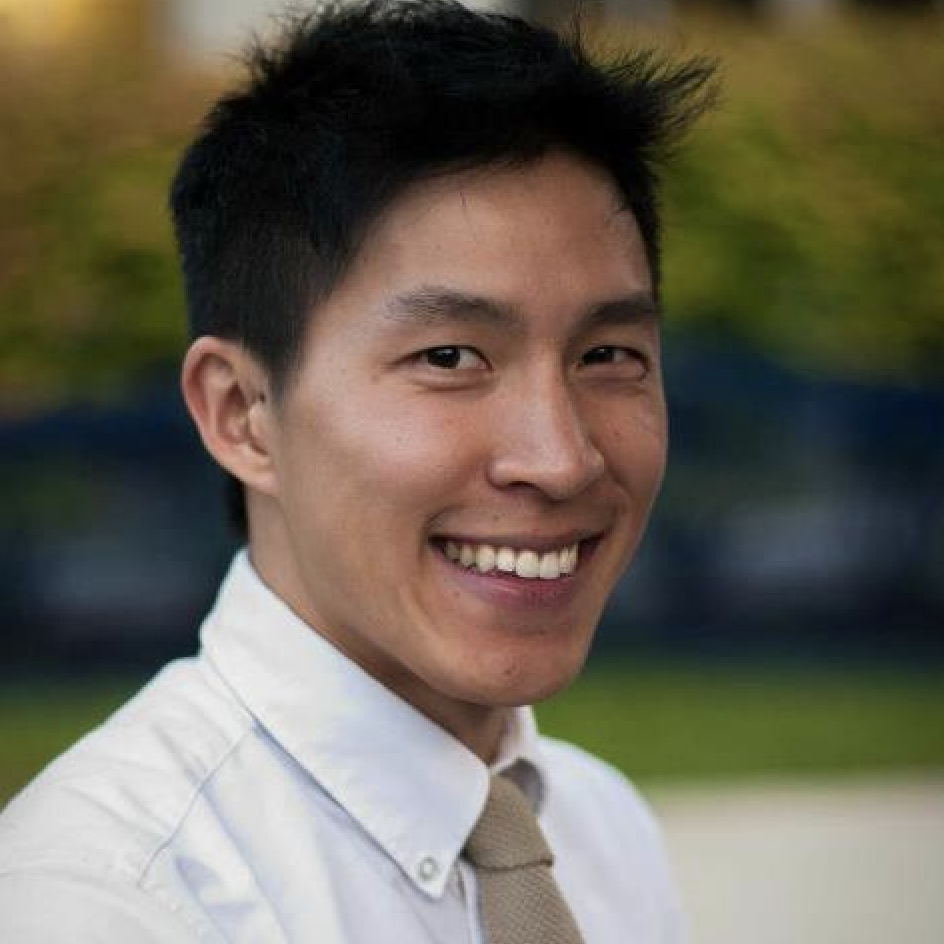
dr. Elliot Hoey
Vrije Universiteit Amsterdam
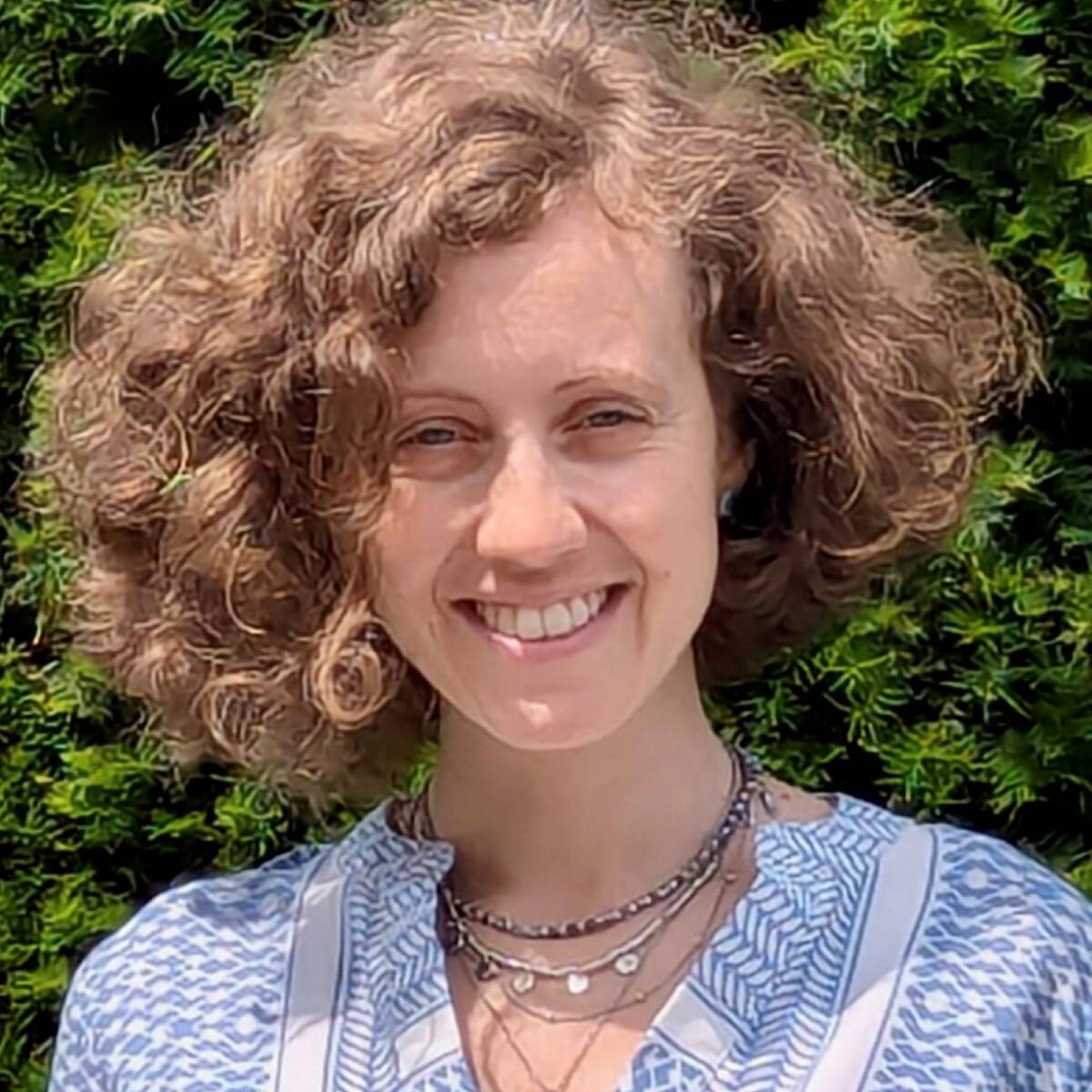
dr. Bogdana Huma
Vrije Universiteit Amsterdam
Developing bottom-up methodologically congruent transparency standards: Lessons from Conversation Analysis
Overview:
Transparency lies at the heart of a high quality scientific study. It improves its accessibility and accountability, it enables other researchers to replicate the study, and it fosters trust in the reported findings. But, despite wide agreement about the benefits of transparency-enhancing research practices and the various incentives implemented to stimulate them (e.g., journal badges, transparency statements, reporting standards) their adoption has been slow. One possible cause might be the ‘one size fits all’ approach to transparency that ignores epistemic diversity, especially within qualitative research. In this presentation we showcase a different approach to promoting transparency. We start by introducing conversation analysis (CA) – a qualitative methodology widely used across the social sciences – and highlight transparency-enhancing practices already embedded with CA, at various steps within the research process. We discuss how these practices emerged and argue that their wide adoption is the result of their methodological and epistemological compatibility with CA’s overall approach. We hope that this exercise could serve as an exemplar for the bottom-up development of transparency standards within other (qualitative) research traditions.
About the speaker:
Elliott M. Hoey is assistant professor of Language and Communication at Vrije Universiteit Amsterdam. He uses conversation analytic methods to investigate people’s practical use of language, bodily movement, and the material world in organizing their everyday circumstances. In his research he studies human sociality at the point of its production primarily relying on methods and principles from Conversation Analysis. His work has covered a broad range of settings (palliative care, construction work, children’s science lessons), topics (conversational openings, grammatical constructions, third party involvement), and phenomena (sighing, drinking, silence). In addition to publishing dozens of scientific articles and book chapters, he wrote the first major treatment of lapses in his monograph When Conversation Lapses: The Public Accountability of Silent Copresence (Oxford University Press, 2020) and is a co-editor (with Alexandra Gubina and Chase Wesley Raymond) of a major encyclopedic work The Encyclopedia of Terminology for Conversation Analysis and Interactional Linguistics.
About the speaker:
I’m an Associate Professor of Language and Communication in the Faculty of Social Sciences and Humanities at VU Amsterdam. As a board member of the Open Science Community Amsterdam and an initiator of the Community of Practice for Open Naturally Occurring Data, I passionately advocate for an inclusive and diverse Open Science. My work has highlighted the tensions between “mainstream” Open Science practices and qualitative methodologies. At present, I am conducting research into the day-to-day practice of Open Science in university settings.
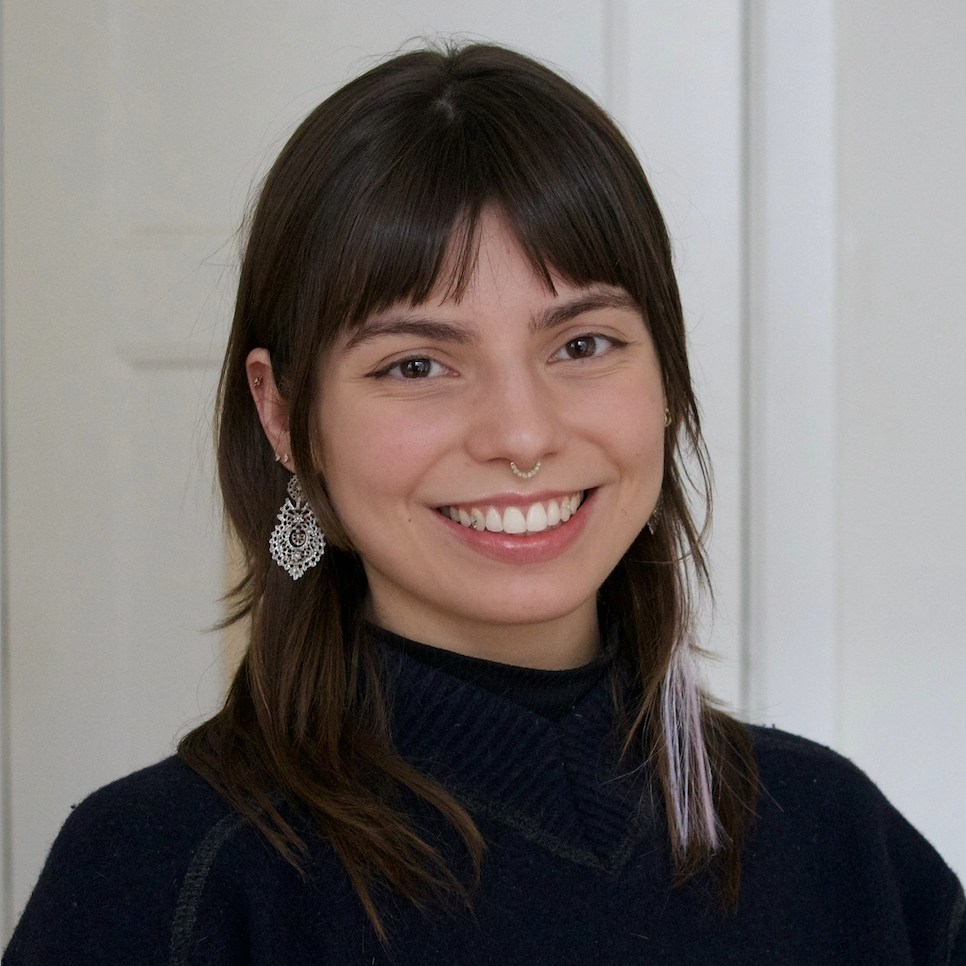
María de los Ángeles Crespo López
Vrije Universiteit Amsterdam; Amsterdam UMC
Integrating diversity into researcher evaluation: Results from the IDEA project
Overview:
How can diversity, equity, and inclusion (DEI) be meaningfully integrated into ongoing reforms of researcher evaluation? As Dutch universities revise their assessment systems under the Recognition & Rewards (R&R) agenda, DEI considerations are often insufficiently addressed. The IDEA project (2025), funded by CoARA Boost and conducted at Vrije Universiteit Amsterdam, examined how DEI can be embedded within these reforms, adopting an intersectional lens to better capture structural inequalities and diverse experiences within academia.
In this talk, I present the project’s co-creation approach, key insights, and resulting recommendations to support more equitable and inclusive academic career trajectories.
About the speaker:
María de los Ángeles Crespo López is a Junior Researcher at the Center for Research Integrity and Open Science (RIOS), part of the Department of Philosophy of the Vrije Universiteit Amsterdam. Her research focuses on equity, diversity and inclusion in open science, research integrity, and recognition and rewards. She also works as a Publication Steward at Amsterdam UMC, where she supports researchers in making their work more open and develops guidelines for integrating open science into recognition and rewards.
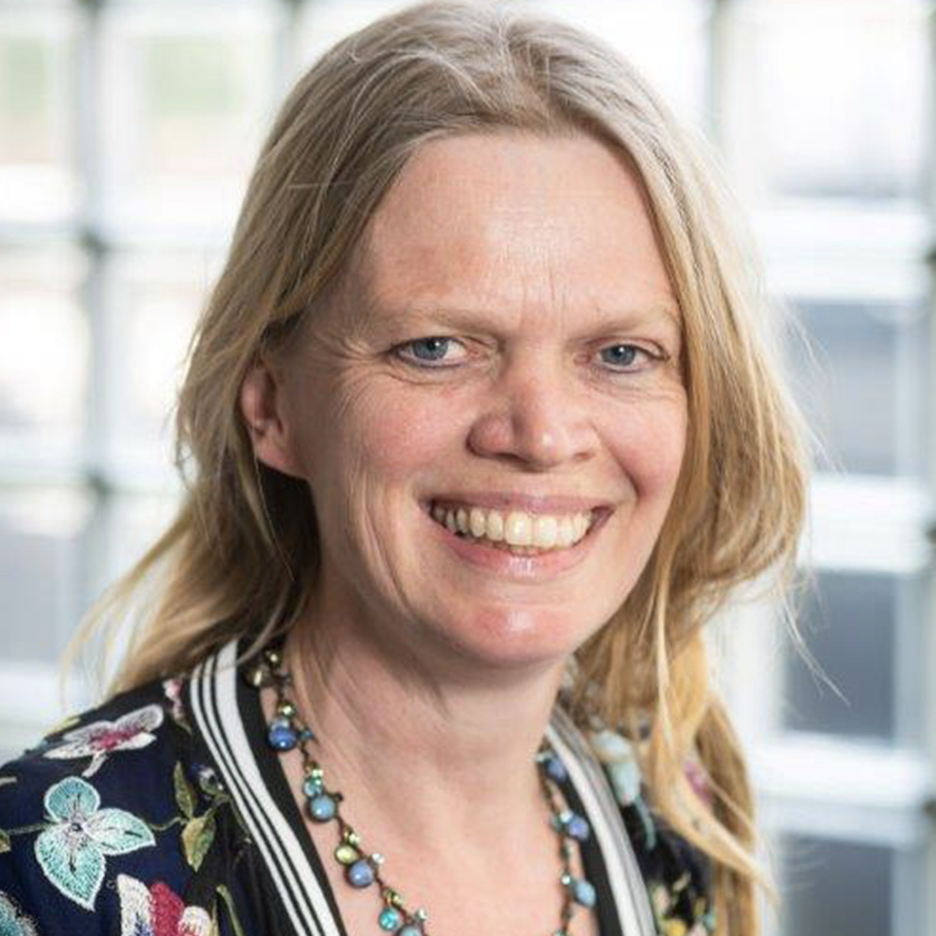
prof. dr. Christine Teelken
VU Amsterdam
Wellbeing of postdoctoral researchers at Dutch Research Universities: working conditions and future perspectives
Overview:
The purpose of this study is to create in-depth knowledge concerning how postdoctoral researchers (postdocs) at Dutch research universities experience their working conditions in relation to their future perspectives, and how these experiences shape their academic (dis)identification.
Over the last decade, especially in the European context, the postdoc population has been substantial and growing. Research indicates that the lack of career prospects for postdocs, combined with their invisibility within universities, presents a challenging situation for many postdocs, ‘a moving of the watershed’. To understand how this situation affects their wellbeing, we carried out two large surveys in 2019 and 2025 amongst subsequently 806 and 709 postdocs at all fourteen Dutch research universities. This paper provides the findings of our analysis of the responses to our closed and open-ended questions. As a result, three dimensions were revealed to summarise their distinctive ways of (dis)identifying with academia: process; content; and individual orientations. Our research contributes to the further understanding of academic (dis)identification, especially concerning how and why post-doctoral researchers distance themselves from academia.
About the speaker:
Christine Teelken works as full professor at the department of Organization Sciences, at the faculty of Social Sciences and Humanities. Her main research focusses at (post)academic careers, and in collaboration with colleagues she published widely on this topic. She is associate editor of Studies in Higher Education, convenor for the EERA-ECER network 22 on Higher Education and former programme director of the Bachelor Public Administration and Organization Sciences.
Clàudia Pallisé Perelló
Amsterdam UMC
Fairness, justice and equity in RI and RCR codes around the world: findings from a Scoping Review using Critical Discourse Analysis
Overview:
Research integrity codes frequently mention fairness, but what does fairness actually mean in these documents? This presentation shares the findings of a scoping review of research integrity (RI) codes from across the world, with the aim to examine how the concept of fairness is articulated in RI governance documents. Using Critical Discourse Analysis, the study identifies four approaches to fairness. While fairness is frequently referred in relation to procedural matters such as peer review or authorship, structural issues (including colonial legacies and hierarchies, structural injustices and global power asymmetries in knowledge production) are rarely addressed explicitly. This presentation discusses the implications and risks of these silences and proposes some steps forward, arguing for more grounded and contextualised research integrity frameworks.
About the speaker:
Claudia Pallise Perello (she/her) is a PhD candidate at the Amsterdam UMC with a background in biomedicine, public health, and bioethics. In her PhD thesis, she explores the role of epistemic injustice in the fields of research ethics and research integrity, combining empirical and theoretical approaches to identify and address these injustices. Claudia also teaches in the research integrity course at Amsterdam UMC and in the Master’s program in Philosophy, Bioethics, and Health at the VU Amsterdam.
Keynote
dr. Joeri Tijdink
Amsterdam UMC
Change research practices from the inside out: why tools and policy aren’t enough. Research culture is the engine of reproducibility — the CATALYST project
Overview:
Despite a decade of open science investment—new tools, mandates, infrastructures, and policy frameworks across the European Research Area—individual researchers slowly change how they work and how they engage in open science and reproducibility practices (RPs). The gap between principle and practice remains wide, and CATALYST, a new Horizon Europe project aims to close this gap.
The project’s main aim is that sustainable change happens neither at the level of grand policy nor through isolated grassroots effort, but in the messy middle: the departments and research teams where research culture is actually lived. By targeting this meso level, CATALYST treats culture change—not tool development—as the intervention.
This is where research integrity and open science meet. Open science practices such as preregistration, open data, and transparent reporting are not merely procedural boxes to tick; they are the institutional expression of a deeper values such as honesty, accountability and self-correction/reflection. CATALYST deploys evidence-based interventions across 15 disciplinary-diverse “Catalyser” departments—spanning biomedicine, computer science and AI, and the social sciences and humanities—focusing on three proven levers of culture change: reproducibility training, role modelling, and incentivisation. When these practices become embedded in how a department trains its early-career researchers, how it models good practice through senior leadership, and how it rewards rigour over novelty, research integrity stops being an abstract value and becomes a lived institutional norm. This ambition is hopefully contagious and we aim to transfers these values to other parts through our catalysers. In this presentation, I will highlight the aims of CATALYST, how it relates to open science, RI and reproducibility and how we hope that we can create this culture change.
About the speaker:
Joeri Tijdink is an associate professor and principal investigator at Amsterdam UMC, location VUmc, the Netherlands. He completed his PhD (2012–2015), entitled Publish & Perish: Research on Research and Researchers. His current research focuses on research integrity, reproducibility, research quality, mental well-being in academia, and research culture. He is involved and leading several national and international research projects on how to foster research quality and reproducibility. In addition, he leads projects aimed at supporting a responsible research culture in diverse academic settings and studies how early career researchers can be empowered to speak up. He is the coordinator of the CATALYST project.
Joeri is also the author of the book The Happy Academic – How to Thrive and Survive in Academia (2023), which offers guidance to early career researchers navigating the challenges of academic life. In his work, he consistently focuses on individual, cultural, and systemic factors that can help improve academia, with a strong emphasis on promoting mental health among researchers. Alongside his research, he continues to work as a clinical psychiatrist.
2nd RIOS Collaborative Program - Announcement of winners
prof. dr. Jeroen de Ridder &
prof. dr. Mariëtte van den Hoven
Conclusion
dr. Rita F. Alves dos Santos
Amsterdam UMC
About the speaker:
Rita Santos is the Coordinator of the Netherlands Research Integrity Network joined (NRIN) and Project Leader of RIOS. Before, she worked as Executive Director and Project Manager at the European Network for Academic Integrity. Her main tasks involved organising the networks’ events and activities and supporting ENAI’s members. Rita was the coordinator of one project output of the Erasmus+ FAITH (Facing Academic Integrity Threats) project about raising awareness for victims of misconduct in academia and research, where she coordinated the Victim Support Portal. Rita also led ENAI’s involvement in the Erasmus+ ETHICS (Responsible Conduct of Research – Research Integrity and Ethics in Georgian Universities) project. From 2019-2021, Rita worked as a junior researcher in the H2020 INTEGRITY project. Her main tasks involved developing teaching modules on research integrity and responsible conduct in research for high school students. She holds a PhD in Physical Geography from the University of Hull (UK)